

Blog

Road Rules in WA You Might Not Know About Most drivers know the basics: obey the speed limit, wear a seatbelt, stop at red lights and don't use your phone while driving. But Western Australia's road rules also include a number of lesser-known requirements that can easily catch drivers by surprise. Understanding these rules isn't just about avoiding a fine. They are designed to reduce distractions, prevent accidents and make WA roads safer for drivers, passengers, cyclists and pedestrians. Below are some WA road rules you may not know about and what they mean when you're behind the wheel. 1. Throwing Litter From a Vehicle Is an Offence Throwing rubbish from a vehicle isn't just inconsiderate — it can also result in penalties under Western Australia's Litter Act 1979. Drivers and passengers should make sure rubbish stays inside the vehicle until it can be disposed of properly. In some circumstances, the registered owner of a vehicle may also become involved in an investigation where the person responsible for the littering cannot immediately be identified. Whether it's a cigarette butt, food packaging or another piece of rubbish, the simplest rule is to keep it in the car until you reach a bin. 2. Pets Shouldn't Distract You While Driving Taking your dog along for the drive is common, but animals need to be transported safely. A pet that is moving freely around a vehicle can distract the driver and create a significant safety risk. In particular, driving with an animal sitting on your lap can interfere with your ability to control the vehicle. Where possible, pets should be safely restrained using an appropriate harness, carrier or other suitable restraint. 3. Don't Leave Your Vehicle Unsecured Leaving your car for "just a minute" doesn't necessarily mean you can leave the engine running or the vehicle unsecured. WA road rules contain requirements relating to unattended vehicles. Depending on the circumstances, drivers may need to switch off the engine, secure the vehicle and take appropriate steps to prevent it from moving or being accessed without permission. Apart from avoiding a potential traffic offence, securing your vehicle can also reduce the risk of theft or an accident. 4. Keep Your Arms and Legs Inside the Vehicle Hanging an arm, leg or another part of your body outside a moving vehicle might seem harmless, but it can be dangerous. WA road rules generally require drivers and passengers to keep their bodies within the vehicle, with limited exceptions such as giving an authorised hand signal. The rule helps protect occupants from passing vehicles, roadside objects and other hazards. 5. Your Horn Isn't for Saying Hello A quick beep to greet a friend might seem innocent, but a vehicle's horn is intended primarily as a warning device. Drivers should not use their horn unnecessarily. The same principle applies to deliberately creating excessive vehicle noise. In practical terms, your horn should generally be used when you need to warn another road user of danger rather than to express frustration, celebrate or get someone's attention. 6. Driving Too Slowly Can Also Be a Problem Speeding gets most of the attention, but travelling unreasonably slowly can also create a road safety issue. For example, driving at a very low speed on a high-speed road without a valid reason could obstruct other motorists and potentially breach WA road rules. Of course, there are plenty of legitimate reasons to slow down, including traffic, poor visibility, road conditions, hazards or mechanical problems. The issue is unnecessarily obstructing other road users. 7. Don't Speed Up When Someone Is Overtaking You If another vehicle is legally overtaking you, increasing your speed to prevent them from passing can make an already risky manoeuvre much more dangerous. Drivers being overtaken should allow the other vehicle to complete the manoeuvre safely rather than competing for position. Keeping a predictable speed and leaving sufficient space can significantly reduce the risk of a collision. 8. Fog Lights Aren't Everyday Driving Lights Fog lights are designed for conditions where visibility is significantly reduced, such as fog, heavy rain, smoke or dust. Using them when conditions don't require them can create unnecessary glare for other road users and may breach WA road rules. If visibility is normal, your standard headlights or daytime running lights will usually be the appropriate option. 9. You Can't Reverse Further Than Necessary There isn't a set number of metres that you're allowed to reverse. Instead, WA road rules focus on whether reversing is safe and reasonable in the circumstances . That means drivers should avoid reversing for an unnecessarily long distance, particularly where doing so could create a hazard for pedestrians or other vehicles. If you've missed a turn, continuing forward and finding a safe place to turn around will often be safer than reversing a significant distance. 10. Think Carefully Before Swerving for an Animal It's natural to instinctively swerve when an animal runs onto the road, but a sudden manoeuvre can sometimes create an even greater danger. Depending on the circumstances, braking firmly while maintaining control of the vehicle may be safer than moving suddenly into another lane or into the path of another vehicle. Every situation is different, so drivers need to respond in a way that minimises the overall risk to themselves and other road users. 11. Give Cyclists Enough Space When Overtaking Western Australia has minimum passing distance requirements designed to protect cyclists. When passing a bicycle, drivers generally need to leave at least: 1 metre where the speed limit is 60 km/h or less; and 1.5 metres where the speed limit is above 60 km/h. If there isn't enough room to pass safely, wait until it is safe to do so. Cyclists are particularly vulnerable road users, so allowing enough space isn't simply about complying with the law — it can prevent serious injury. 12. Motorcycle Riders Need to Sit Correctly Motorcycle riders are required to maintain a safe riding position. Generally, riders must sit astride the seat facing forward and keep their feet appropriately positioned while riding. Similar requirements can apply to pillion passengers. These rules help ensure the rider remains in proper control of the motorcycle and can respond quickly to changing road conditions. 13. Mobile Phone Use While Driving Is Strictly Restricted Mobile phone use remains one of the most important distracted-driving issues on WA roads. The rules go beyond simply banning texting. What you can legally do with a mobile phone depends on factors such as whether you're touching or holding the device, how it is mounted and what function you are using. Even a brief glance at a message can take your attention away from the road. If you're unsure whether a particular type of phone use is permitted, the safest approach is simple: don't touch your phone while driving . Pull over somewhere safe before using it. Some Even Stranger WA Road Rules and Laws Not every unusual road-related law is still in force. Some of Western Australia's historical laws provide an interesting glimpse into how legislation has changed over time. The Famous WA Potato Law One of Western Australia's better-known unusual laws related to transporting potatoes. Under the former Marketing of Potatoes Act 1946, authorised inspectors once had significant powers relating to the transportation and sale of potatoes. The legislation was eventually repealed in 2016 , so drivers don't need to worry about getting into legal trouble simply because they have too many potatoes in the car today. It's still one of the more entertaining examples of an old WA law that occasionally appears in lists of Australia's strangest legislation. Don't Block a Public Letterbox Parking and stopping rules can also apply around public letterboxes. Drivers should be careful about stopping too close to a public letterbox where doing so would interfere with access, except in circumstances permitted by the road rules. It may seem like an obscure requirement, but ensuring postal workers and members of the public can safely access letterboxes is the reason behind the rule. What Happens If You're Charged With a Traffic Offence in WA? Traffic offences can range from relatively minor infringements to serious charges that may affect your licence, result in substantial fines or lead to court proceedings. The consequences will depend on the type of offence, the circumstances surrounding it, your driving history and the applicable legislation. If you're unsure about a traffic infringement or have been charged with a driving offence in Western Australia , obtaining legal advice can help you understand your rights, available options and possible consequences. Injured in a Car Accident? Speak With Our Car Accident Lawyers If you have been injured in a road accident and believe another driver may be at fault, getting legal advice early can help you understand your rights and the compensation that may be available to you. The experienced Car Accident Lawyers at Trewin Norman & Co. assist clients with motor vehicle accident claims across Western Australia. Whether you were a driver, passenger, cyclist or pedestrian, our team can guide you through the claims process and help you understand your legal options. Contact Trewin Norman & Co. today to arrange your first consultation.
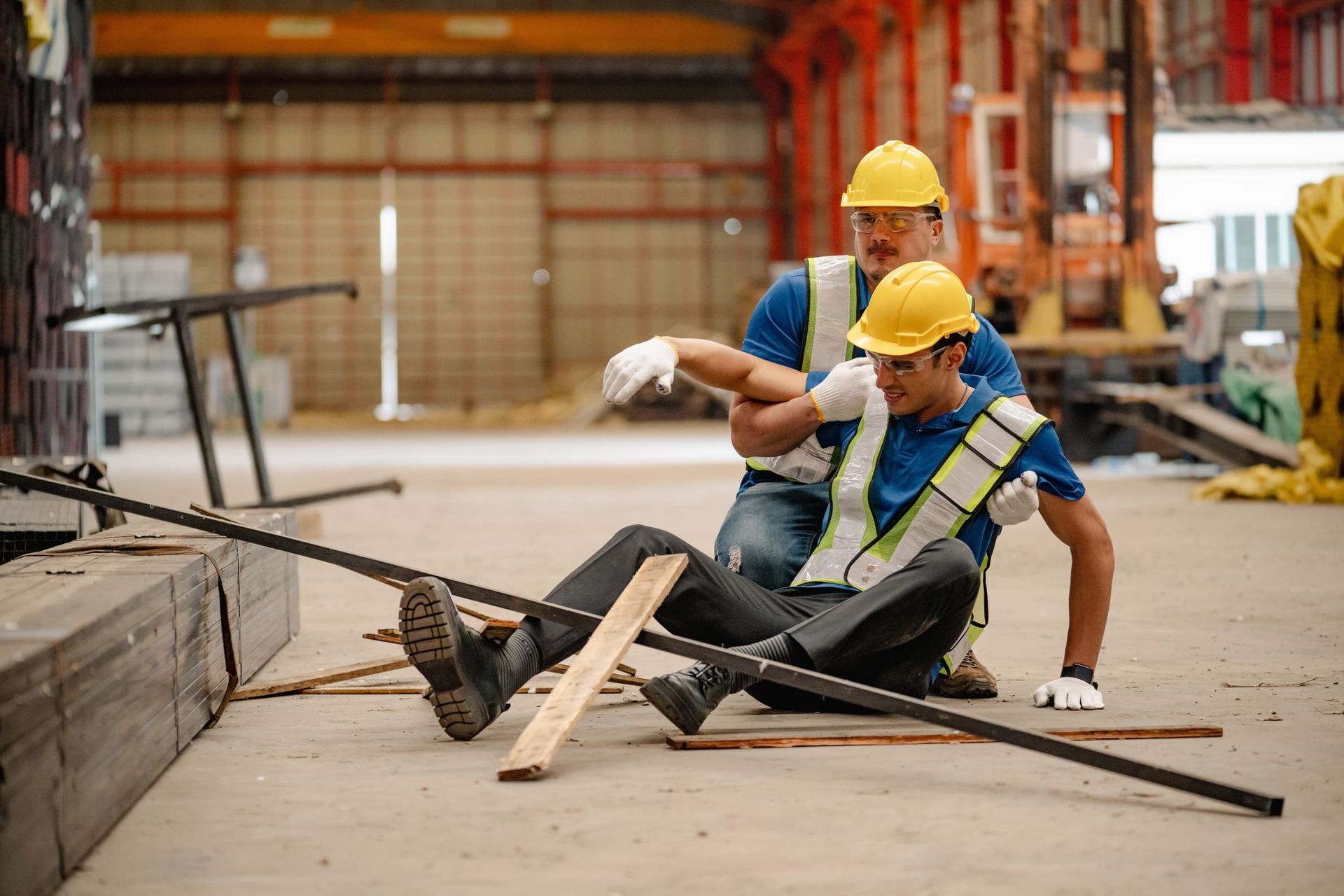
Construction sites are hubs of activity, with workers, machinery, and materials all contributing to the building process. However, they are also high-risk environments where accidents frequently occur. Below is an overview of the most common injuries sustained on construction sites. Falls from Height Falls are the most common construction site injuries. Workers may fall from scaffolding, ladders, roofs, or other elevated surfaces. Such incidents can result in severe injuries, including: Broken bones: A fall from even a moderate height can cause fractures in arms, legs, or ribs, leading to prolonged recovery times and potential permanent impairment. Spinal cord injuries: Damage to the spine can result in partial or complete paralysis, drastically affecting the worker's quality of life. Traumatic brain injuries: Falls can lead to head trauma, which may cause long-term cognitive, physical, and emotional difficulties. Being Struck by Objects Falling tools, swinging equipment, or improperly secured materials can strike workers, leading to serious injuries. Common outcomes include: Head trauma: Strikes to the head can result in concussions or severe brain injuries, which may require extensive medical treatment. Fractures: Being hit by heavy objects can easily break bones, impacting mobility and the ability to work. Internal injuries: High-impact collisions can damage internal organs, which may not be immediately apparent but can be life-threatening. Electrocutions Construction sites often involve exposed wiring, power tools, and machinery, which increase the risk of electrocution. Possible consequences include: Burns: Electrical burns can cause severe damage to skin and tissues, often requiring surgical intervention. Cardiac arrest: Direct exposure to electricity can disrupt the heart’s rhythm, potentially leading to fatal outcomes. Fatalities: Electrocution remains one of the leading causes of death on construction sites, emphasising the need for proper safety measures. Caught-In/Between Accidents Workers may become trapped between equipment and solid objects or caught in machinery. These incidents can cause: Crush injuries: Crushing accidents can lead to severe tissue damage, broken bones, and potential amputations. Amputations: Getting caught in machinery often results in the loss of limbs, drastically altering a worker's life and livelihood. Deaths: In extreme cases, the force of being trapped can result in fatalities. Trench or Building Collapses Structural collapses, including trenches or partially built structures, can trap or crush workers, leading to: Severe physical injuries: Collapses often cause broken bones, lacerations, and head injuries that require immediate medical attention. Fatalities: Workers caught in collapses face a high risk of death due to the sheer weight and force of the falling debris. Overexertion and Heat Stress Heavy lifting, long hours, and high temperatures can result in: Heat exhaustion: Symptoms include heavy sweating, nausea, and fatigue, which can escalate if not treated promptly. Heat stroke: A severe condition that can cause organ damage and requires immediate medical intervention. Repetitive strain injuries: Constant lifting or repetitive motions can lead to chronic pain and musculoskeletal disorders. Fires and Explosions Leaking gases, faulty electrical systems, or mishandling of flammable materials can cause: Burns: Fire-related burns can range from mild to severe, often requiring prolonged medical care. Smoke inhalation injuries: Inhalation of toxic fumes can damage the lungs and lead to long-term respiratory issues. Deaths: Fires and explosions often result in fatalities, particularly when evacuation is delayed. Exposure to Harmful Chemicals Without adequate protective equipment, workers may inhale or come into contact with hazardous chemicals, resulting in: Respiratory diseases: Prolonged exposure can cause conditions such as asthma or chronic obstructive pulmonary disease (COPD). Chemical burns: Direct contact with corrosive substances can cause severe skin damage. Chronic illnesses: Long-term exposure to toxic chemicals increases the risk of serious health conditions, including cancer. Welding Accidents Inadequate protection during welding can lead to: Burns: Welding sparks and heat can cause significant skin injuries without proper gear. Arc eye: This painful condition results from UV ray exposure, potentially damaging eyesight permanently. Fume inhalation injuries: Breathing in welding fumes can lead to serious respiratory problems over time. Noise-Induced Hearing Loss Prolonged exposure to loud machinery and tools can permanently damage workers’ hearing. Without adequate ear protection, hearing loss may be irreversible and significantly impact daily life. Vehicle Accidents Construction sites often have moving trucks, cranes, and other vehicles. Accidents can result from: Careless driving: Operators failing to follow safety protocols increase the likelihood of collisions. Lack of pedestrian vigilance: Workers walking through active vehicle zones without caution can also contribute to accidents. Repetitive Motion Injuries Performing repetitive tasks, such as hammering or lifting, can lead to: Musculoskeletal disorders: Repeated strain on muscles and joints can cause long-term physical issues. Chronic pain: Overuse injuries often result in persistent pain, requiring physical therapy or medical intervention. Slips, Trips, and Falls Uneven terrain, wet surfaces, and debris increase the likelihood of: Slipping: Wet or greasy surfaces can lead to falls and injuries. Tripping: Debris or uneven ground may cause trips, resulting in sprains or fractures. Injuries such as sprains or fractures: These are common outcomes that can temporarily or permanently hinder a worker’s ability to perform tasks. Tool-Related Injuries Improper use of power tools or malfunctioning equipment can cause: Cuts: Sharp edges or improper handling can lead to deep lacerations. Punctures: Nail guns and other tools can cause accidental puncture wounds. Severe injuries requiring medical attention: In extreme cases, tool accidents may result in surgeries or long-term disabilities. Legal Aspects of Construction Injuries Liability Determining liability in construction site injuries can be complex. Responsible parties may include: Site owners: They are accountable for ensuring overall safety on the site. Contractors: They must enforce safety measures and protocols among their teams. Subcontractors: They share responsibility for adhering to safety regulations. Equipment manufacturers: Faulty or poorly designed equipment can result in injuries. Other workers: Negligent actions by coworkers can contribute to accidents. Workers’ Compensation Most jurisdictions entitle injured workers to workers’ compensation, which covers: Medical expenses: Costs for immediate and ongoing treatment are included. Lost wages: Compensation is provided for income lost during recovery. However, claiming workers’ compensation often means waiving the right to sue the employer. Third-Party Claims If a party other than the employer is responsible for the injury—such as an equipment manufacturer or another contractor—workers may file a third-party claim. This can help cover additional costs not addressed by workers’ compensation.